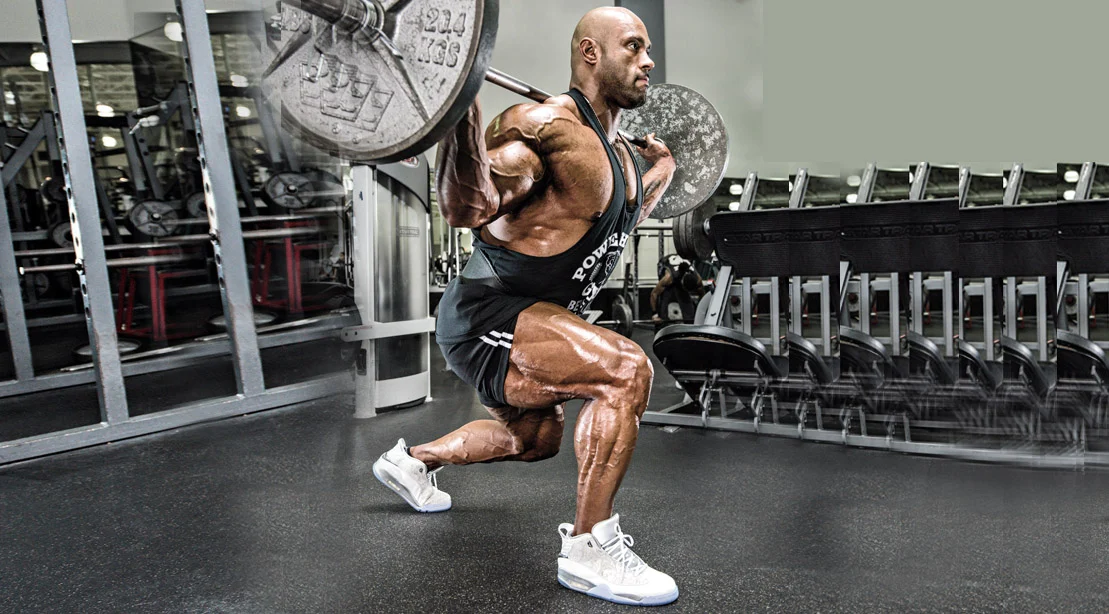
There’s no denying that squats are a powerhouse when it comes to leg workouts. But did you know that squats can do more than just build strong thighs and glutes? There’s a commonly held belief in the fitness community that squats can increase testosterone levels. But is this fact or fiction? Let’s delve into the science.
The Squat: A Multi-Muscle Exercise
Before we explore the link between squats and testosterone, let’s first understand the squat itself. Squats are a compound exercise, meaning they work multiple muscle groups at once. The glutes, quadriceps, hamstrings, and core all get a workout when you perform a squat, making it an incredibly effective and efficient exercise.
The Testosterone Boost: Fact or Fiction?
Testosterone is a hormone that plays a key role in muscle growth, fat loss, and overall health. But do squats increase testosterone levels? The answer is yes, but it’s a bit more complex than that.
Exercise in general can stimulate testosterone production, but the key seems to be in the intensity of the workout. Research has shown that high-intensity resistance exercises, like squats, can indeed boost testosterone levels in the short term. It’s worth noting, however, that these increases are typically transient and return to baseline levels within an hour or so after exercise.
Moreover, the effect is more pronounced when you perform large, compound movements that involve multiple muscle groups and when you lift heavier weights. Since squats are a large compound movement that can be loaded with significant weight, they can induce a notable testosterone response.
Squats and Testosterone: The Bigger Picture
While it’s true that squats can induce a temporary increase in testosterone levels, it’s important to remember that they’re just one piece of the puzzle when it comes to optimizing hormonal health and building muscle.
A balanced diet, adequate sleep, stress management, and a well-rounded exercise program that includes both resistance and aerobic training are all crucial factors as well. So while incorporating squats into your workout routine can certainly help, they’re not a standalone solution for boosting testosterone levels.
Conclusion
So, do squats increase testosterone? The science suggests that they can, at least temporarily. But it’s important to view squats as a part of a broader lifestyle and workout regimen aimed at optimizing testosterone levels and overall health. As always, it’s essential to listen to your body and consult with a healthcare provider before starting any new fitness program.
 Fit Inspire Daily
Leave a comment