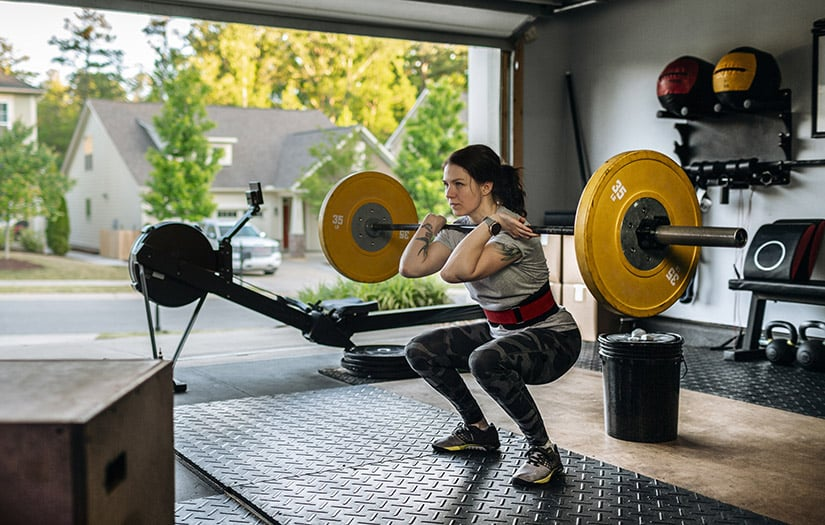
The question of whether you can lift weights every day is a hot topic in the fitness world. While weightlifting is a fantastic way to build strength and transform your physique, it’s crucial to understand the considerations and potential risks associated with daily weightlifting. In this post, we’ll explore the subject and provide you with insights to help you make an informed decision about your weightlifting frequency. Let’s dive in and debunk the myth surrounding lifting weights every day!
💪 Understanding the Benefits of Weightlifting 🏋️♂️
Weightlifting offers a plethora of benefits that make it a popular choice among fitness enthusiasts. Here are some of the advantages of incorporating weightlifting into your fitness routine:
1️⃣ Increased Strength and Muscle Growth: Regular weightlifting can significantly enhance your strength and stimulate muscle growth. Through resistance training, you challenge your muscles, leading to improved functional strength and a more sculpted physique.
2️⃣ Accelerated Metabolism: Weightlifting boosts your metabolic rate, both during and after your workout. As you build lean muscle mass, your body burns more calories even at rest, facilitating weight management and improved body composition.
3️⃣ Enhanced Bone Health: Weightlifting is a weight-bearing exercise that promotes bone health and helps prevent conditions like osteoporosis. By stimulating the production of new bone tissue, weightlifting contributes to stronger and denser bones.
4️⃣ Improved Joint Stability: Proper weightlifting technique and progressive overload strengthen the muscles around your joints, providing stability and reducing the risk of injuries.
5️⃣ Enhanced Mental Well-being: Weightlifting has a positive impact on mental health, alleviating symptoms of anxiety and depression, enhancing self-confidence, and promoting overall well-being.
✅ The Considerations of Daily Weightlifting 🔄
While weightlifting offers numerous benefits, it’s important to consider the following factors before deciding to lift weights every day:
1️⃣ Muscular Recovery: Weightlifting places stress on your muscles, and they need time to recover and rebuild. Training the same muscles every day without adequate rest can impede recovery and potentially lead to overuse injuries.
2️⃣ Central Nervous System Fatigue: Intense weightlifting sessions tax your central nervous system (CNS). Regular rest days are crucial to allow your CNS to recover, as CNS fatigue can negatively impact strength, coordination, and overall performance.
3️⃣ Risk of Overtraining: Overtraining occurs when you exceed your body’s ability to recover from training. This can lead to decreased performance, increased injury risk, hormonal imbalances, and compromised immune function. Balancing intensity, volume, and frequency is key to avoiding overtraining.
4️⃣ Individual Factors: Each person’s capacity to handle daily weightlifting differs. Factors such as training experience, age, overall health, and lifestyle play a role. Consulting with a qualified fitness professional can help determine the appropriate weightlifting frequency for your individual needs.
5️⃣ Variety and Progressive Overload: Constantly challenging your muscles with new exercises and progressive overload is essential for continuous progress. If you’re lifting weights every day, it may be challenging to maintain variety and implement proper progression techniques.
📅 The Optimal Weightlifting Frequency 🏋️♀️
The optimal weightlifting frequency varies from person to person, taking into account individual factors and goals. In general, most individuals benefit from incorporating rest days into their weightlifting routine. Aim for 2-4 weightlifting sessions per week, allowing at least one day of rest between each session. This rest day provides crucial recovery time for your muscles and allows your body to adapt and grow stronger.
✨ Listen to Your Body ✨
Ultimately, it’s essential to listen to your body and prioritize its needs. Pay attention to signs of fatigue, excessive soreness, and diminished performance. If you’re feeling consistently fatigued or experiencing persistent pain, it may be a sign that you need to adjust your weightlifting frequency or seek guidance from a fitness professional.
In conclusion, while weightlifting offers tremendous benefits, lifting weights every day may not be ideal for most individuals due to considerations of recovery, CNS fatigue, and the risk of overtraining. Designing a well-structured weightlifting program that includes rest days and emphasizes progressive overload will help you achieve optimal results while minimizing the potential risks. Remember, quality and balance are key on your fitness journey!
 Fit Inspire Daily
Leave a comment